
Publication
HHS delegates exclusion authority to CMS
HHS Secretary Robert F. Kennedy Jr. announced that the CMS would exercise exclusion authority to remove “bad actors” from federal healthcare programs “effective immediately.”

Canada | Publication | February 2026
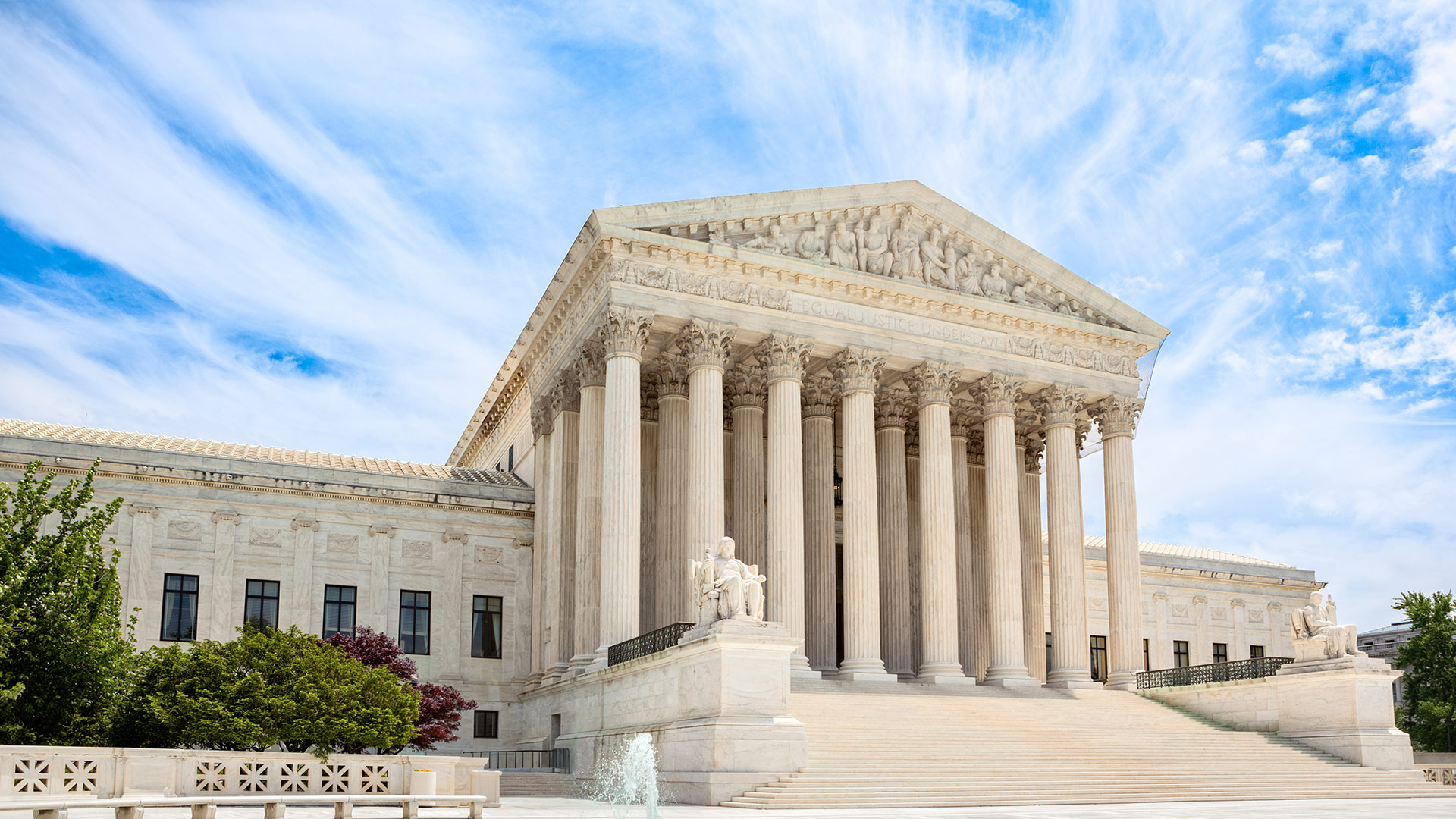
On February 20, the US Supreme Court struck down tariffs imposed under the International Emergency Economic Powers Act (IEEPA), including a 35% tariff on certain Canadian goods imposed in March 2025.1 While in principle a victory for free trade, the decision is expected to have little practical impact on most Canadian exporters, since:
On March 4, 2025, President Trump introduced a blanket tariff on Canadian and Mexican goods (the Broad-Based Tariffs). These tariffs placed a 25% duty on imports of Canadian goods into the US, except for certain energy and energy resources, which were subject to a lower duty rate of 10%. The Broad-Based Tariffs were purportedly implemented as a result of fentanyl concerns pursuant to the President’s authority to address national emergencies under the IEEPA (for more information review our article here).
On March 6, 2025, the executive branch issued an executive order that clarified the Broad-Based Tariffs would not apply to goods designated as Canadian origin and duty free under the Canada–United States–Mexico Agreement (CUSMA). The executive order also reduced the rate of duty applicable to Canadian-origin potash to 10%. On August 1, the 25% tariff increased to 35%, while the tariff rate on energy and potash remained at 10%.
Because the vast majority Canadian imports entering the US are CUSMA compliant,2 the US Supreme Court’s ruling that the Broad‑Based Tariffs lack legal authority is unlikely to significantly assist Canadian exporters, who are currently more impacted by tariffs under other authorities.
In addition, although Canada had imposed a similarly broad surtax on $30 billion worth of goods under the United States Surtax Order (2025-1), this surtax order was repealed on September 1, 2025.3
The US sectoral tariffs on steel and aluminum, automobiles or automobile parts, cooper, and wood products – which have been generally more impactful for Canadian exporters than IEEPA tariffs – are still in effect. These include:
Each of these sectoral tariffs was enacted pursuant to Section 232 of the Trade Expansion Act.4
The US Supreme Court decision does not impact President Trump’s ability to issue tariffs pursuant to Section 232.5 Under this section, the President may impose restrictions on imports or enter into negotiations with trading partners if the US Secretary of Commerce determines, following an investigation, that the quantity or other circumstances of these imports “threaten to impair” US national security6 The Supreme Court decision also does not impact the ability to impose tariffs under Sections 122, 201, and 301 of the Trade Act of 1974 or Section 338 of the Tariff Act of 1930.7
In fact, on February 20, President Trump relied on his authority under Section 122 of the Trade Act of 1972 to introduce a temporary 10% ad valorem import duty on all imports into the US. He later indicated via social media this duty would be increased to 15%, although the executive order currently imposes 10%.8
The temporary duty will take effect on February 24, 2026, and is intended to remain in effect for 150 days. However, CUSMA-compliant goods will not be subject to the new duty.9 The new import duty operates similarly to the previous Broad-Based Tariffs. As a result, Canadian exporters to the US should continue to ensure that exports can be designated as Canadian origin and duty free under the CUSMA pursuant to the relevant rules established under the United States Harmonized Tariff Schedule.
Canadian imports into the United States that are subject to Section 232 sectoral tariffs—including those on steel, aluminum, copper, lumber, and automobiles—will not be subject to the temporary import duty in addition to those tariffs.10 This treatment will also apply to any future tariffs imposed pursuant to Section 232 of the Trade Expansion Act.



Publication
HHS Secretary Robert F. Kennedy Jr. announced that the CMS would exercise exclusion authority to remove “bad actors” from federal healthcare programs “effective immediately.”
Publication
Now in its seventh year, our annual English Premier League (EPL) football report, Keeping Possession, captures insights from our global sports law team on the key trends and topics shaping the landscape of English football.
Subscribe and stay up to date with the latest legal news, information and events . . .
© Norton Rose Fulbright LLP 2026
